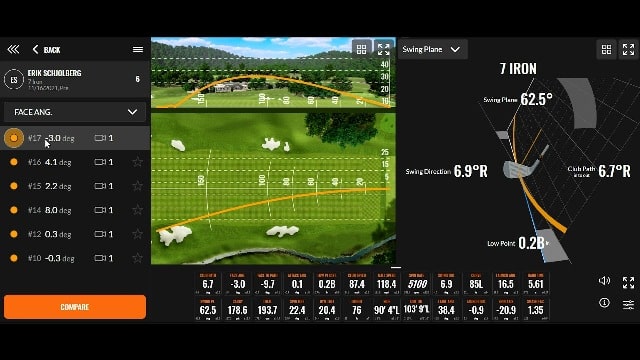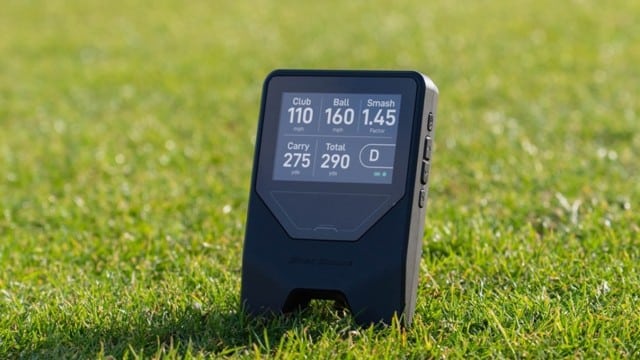
Shot Scope’s LM1 Launch Monitor delivers new insights into the amateur game
By diving into the ever-growing database of LM1 shots, Shot Scope can identify metrics about amateur golfers that have never been shared before.
By diving into the ever-growing database of LM1 shots, Shot Scope can identify metrics about amateur golfers that have never been shared before.
I’m not trying to take a divot when I hit an iron. I’m trying to create a good swing radius, strike the ball first and then let the club interact with the turf naturally. —Martin Chuck
A successful putt needs four connected pieces: a useful path, the appropriate face angle, a suitable speed and centered contact.
Before we discuss shafts, club heads, launch angles or numbers on a screen, we need to understand who’s in front of us, what they want for their game, and what they are realistically prepared or willing to do.
When we trust our instincts—that first initial read of the putt, for example—that’s when we can access our innate talent, skill and experience.
Ask a room full of golfers what scares them and bunker shots make the list almost every time.
It’s my experience that the golfers who are resilient, have the most fun, and play well are firmly grounded with a sense of purpose.
Understanding the difference between preparing to play and preparing to practice is awareness and the first step toward better improvement.
I’ve always believed that if you get better around the hole and on the green, you’ll be able to shave more strokes off your game quicker and you’ll feel a lot better walking to the next tee.